Whether you’re hoping to lose weight or just trying to improve your overall health, the way you cook can mean the difference between you feeling energetic and getting the right kinds of nutrients, and you feeling sluggish because you’re detouring away from your usual calorie and sugar-laden ways. Just cook healthier.
There are many changes you can make to your diet that don’t have you feeling deprived. In fact, you may feel more sustained and satisfied than ever before once you implement these tips.
Some people worry that healthy means bland and flavorless. That couldn’t be further from the truth. You just need to learn how to bring out the rich flavors of foods in their more natural way than masking it with unhealthy salts and sugars.
There are six easy strategies to improve the way that you eat without vowing to deprive yourself of the foods that you want. It’s just a few simple alterations and you could be seeing changes in your health stats and energy levels easily!
#1 – Choose the Right Cooking Methods
The actual method that you cook foods in can play a big role in how healthy your meals are. Some people only focus on calories – never giving credence to healthier cooking options.
Let’s start with a big misconception people have about microwaving. We tend to view a microwave as unhealthy, but it’s primarily because of the typical foods we put in there – processed, quick and easy meals.
Of course those aren’t healthy for you! They’re packed with unrefined grains, fatty meats and sugars. But if you turned your microwave into a home for healthy vegetables, you’d see a whole new side of it.
Vegetables do best when they’re lightly cooked. A fast nuke in the microwave can heat up and soften your vegetables without you having to drain all of the nutrients from them with lengthy cooking methods.
Many things can be rapidly cooked in a microwave without having to use the same fattening oils (like butter) that you might put in a pan if you were to cook it on a stovetop instead.
The biggest problem with microwave cooking is that people don’t know how to cook more complex foods or meals in it. They only know how to melt chocolate or blow up a bag of popcorn in it – but now there are tons of books and even videos that teach you how to cook complete meals that are healthy for you in your microwave oven.
Steaming is another great way to cook healthier. Steaming lightly preserves the nutrients of the foods that you’re cooking. Of course some people steam the foods to the point where they lose their vitamins and minerals, so timing is everything.
When you steam foods, you won’t have the oils and fats that normally give foods flavor with other cooking methods. So you want to learn how to use herbs and seasonings for a natural flavor punch that won’t sabotage your health/
Baking is healthy if you choose the rights food to put into your oven. You can help foods retain their natural juices and flavor through the use of baking. You might lose some of the nutrients due to the lengthy heat required to thoroughly cook many foods, but you do get the benefit of not having to add fats to your foods while getting them to a “done” state.
Grilling is fantastic for healthier eating. Not only does your food cook without harmful fats, but the flavor that grilling imparts on your food is absolutely amazing!
Invest in a good grill that won’t be so complex to use that you dread it. Have something easy that you can use constantly. They even have little indoor grills you can use to cook healthier these days!
Boiling, frying and poaching decrease nutrients or add fat to your meals in some cases. With boiling, you are cooking at such high heat levels that all of the benefits of the foods you’re eating get lost in the water.
Frying can be done in levels of healthy or unhealthy. You can cook in solid lard, which is obviously very unhealthy, or use better oils like olive oil to fry, which is healthier.
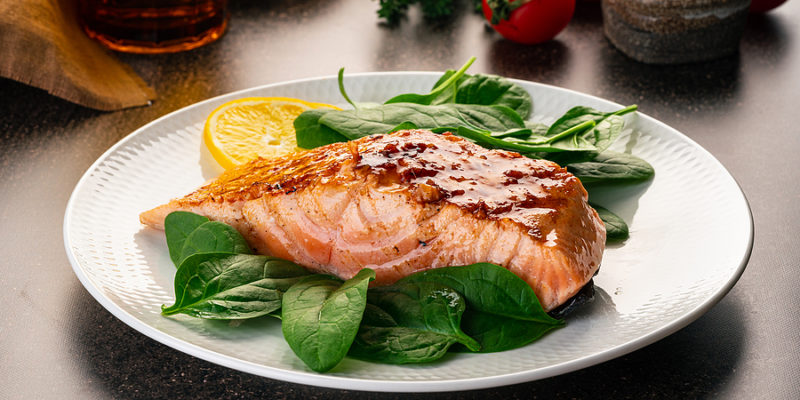
Even poaching can sometimes drain foods of their nutrients, but it’s also healthy to cook some meats like salmon this way, so no cooking method is completely off limits – just learn how to maximize your meal quality.
The following tips can help with that aspect of it.
#2 – Cooking With Meat
Most people are not vegetarians or vegans, although it is a fast-growing segment of the population. You can certainly add meatless meals to your cooking plans and have a much healthier outcome – but some people like meat and want to continue consuming it, so you need to learn how to make it better.
First, start by choosing organic meats. You want foods that haven’t been fed tons of antibiotics and hormones or feed that isn’t healthy for them. It’s a humane issue for many, but even if it’s not for you, focus on the fact that free-range animals who have organic feed are healthier for your body.
Organic does cost a bit more than other cuts of meat, but if you’re looking at cost, think of the toll it takes on your body, and even the future medical costs you’ll have later on – due to poor choices.
Once you find meats that are cut from animals raised in a good environment, choose better cuts of meat, like those that naturally have less fat on them. A filet mignon is going to be a healthy cut of steak, but remove the bacon wrapped around it before eating it.
Lean meats – meats that have less marbling – can still be packed with flavor and juices – you just have to learn how to cook it so that it retains that flavor without drying out.
Buying beef like hamburger meat is easy because it will be labeled with the percentage of fat. You may have always bought 80/20 so that it would be juicy, but start learning how to prepare the 95/5 packs instead.
If you’re buying chicken, look for skinless cuts rather than those with the skin on. If you’re on a budget, just remove the skin at home before cooking. Generally, white meat is healthier than brown, but there’s new evidence showing brown chicken has some benefits, too.
In general, it’s best to cook fish instead of other meats. Chicken is next on the healthy scale, followed by beef and then pork. Of course there are ways to make all of these meats healthier, if you try.
#3 – Cooking With Fat
Fats are actually good for you! You shouldn’t be on a diet that eliminates fats completely. But there are good fats and bad fats – and you want to cook with the healthier options.
You want to get rid of the artery cloggers. If the fat is hard in its room temperature state, it’s not as healthy as a liquid one will be. For example, olive oil (a liquid) is healthier than a stick of butter.
Understand that a little bit of fat goes a long way in terms of moistening your foods and in giving them flavor. Consider even using spray on types of fats for fewer calories.
Select fats that aren’t packed with trans fat or saturated fat. Pick olive oil and other oils made from things like sesame or sunflower. Don’t use fats like lard from animals. Not all non-animals fats are healthy. Coconut oil and palm oils have lots of saturated fat in them.
#4 – Cooking With Grains
When you eat grains, you might be thinking you’re eating healthier. But unless those grains are whole, in their natural state, not refined and processed, then they’re less healthy.
You should be finding breads and beans that are still whole, not processed and stripped of their nutrients. It can be hard to get used to but try various types to find what tastes best to you.
Also try a new slew of grains – things you may not have ever tasted before like quinoa. Look up flavorful recipes and see how you like it. Or, if you see it on a menu at a restaurant, give it a shot!
#5 – Cooking With Vegetables
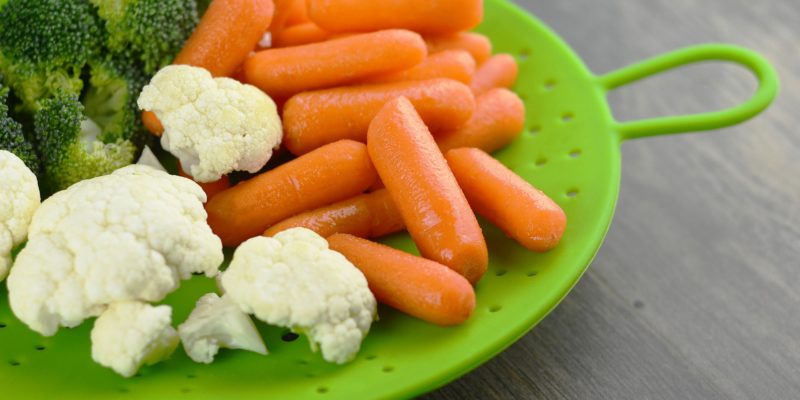
It’s been mentioned before, but the less you cook your vegetables, the better they are for you. Heat depletes them of their vitamins and minerals. So lightly steam or sauté and then eat them. You can steam veggies in a microwave oven, in fact. A healthier way to use a microwave for sure.
Better yet, eat them raw! There are many foods that taste wonderful raw, including baby spinach, turnips, cauliflower, broccoli, carrots, and more.
#6 – Tweak Your Recipes for Improved Health
You probably have some favorite recipes lying around that are your “go to” meals for things like special occasions – or even everyday life! Look at how you can make each meal healthier and over time, you’ll cut back on a lot of calories, salt and unhealthy ingredients.
For example, if a recipe calls for one egg, use double the measurements – of the egg whites only! Or if it calls for something like sour cream or cottage cheese, you don’t have to lose all of the flavor with a fat-free version, but go light or reduced fat instead.
Use fresh seasoning that you develop to your own tastes rather than seasoning packets that stuff a whole bunch of salt in them. Try using peppers for added flavor – they’re also a great way to kickstart your metabolism!
There you have it – you can cook healthier with simple changes in your methods. Give some of all of these a try for better health and wellness.