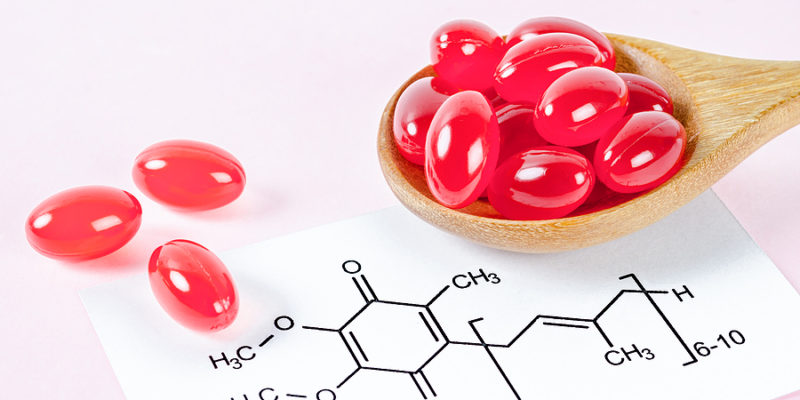
Researchers have been looking at the possibility that a natural supplement with a vitamin-like role in the body (coenzyme) called Coenzyme Q10 might slow the progression of the degenerative neurological disorder Parkinson’s Disease. The energy factories of the cells, mitochondria, need enough Co-Q10 to function at their best, and it appears that people with Parkinson’s are low in supplies of this vital coenzyme.
Initial studies suggest that even doses much higher than many people might take from the health food store (300 mg/day) don’t seem to affect the progression of the Parkinson’s. However, newer data indicate that it might take extremely high doses (1200 mg or even 2400 mg/day) to have a therapeutic effect.
At those doses, Co-Q10 is being used like a drug, and we have to watch for possible adverse effects. It is a natural substance that the body needs, but whenever you have to push the dose of something out of bounds of its usual levels in the body, you have to worry that you will knock something else off balance (see the discussion of this point in my Getting Whole, Getting Well book.
Remember, too, that people who take statin drugs to lower their cholesterol level are at high risk of depleting coenzyme Q10.
For years society has struggled with the debate over the safety of low level exposures to pesticides in and around the home. While skeptics may still say that the definitive evidence is not available yet, the evidence is mounting that these types of exposures are not safe. The latest study comes from Georgetown University (Ther Drug Monit. 2009 Aug;31(4):495-50), where researchers have compared children with and without newly diagnosed childhood leukemia (ALL) and their mothers.
The findings are that the urine analyses of the children with leukemia showed higher levels of the biochemical by-products of pesticides than did those of healthy children. More mothers of the children with ALL reported having used pesticides in the home than did mothers of the healthy children (33% versus 14%).
As with other studies suggesting toxic effects of low level pesticide and herbicide exposures in and around the home for children, pets, and adults, the research points to the wisdom of using non-toxic ways to control pests. We all have to weigh and balance the risks of the pests versus the health risks of the chemicals — it seems reasonable to come down on the side of caution against using man-made chemical pesticides when better hygiene, physical barriers to pest entry into the home, and natural means of controlling insect and rodent populations are available.