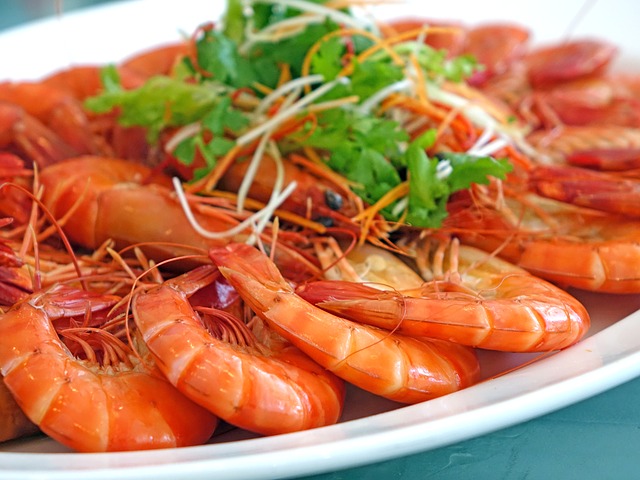
Astaxanthin for health? What is this odd-sounding substance? Astaxanthin is a powerful antioxidant (technically a type of carotenoid) found in seafood sources like krill. As with other carotenoids, astaxanthin is colorful and gives a reddish color to cooked shellfish (shrimp, crabs, lobsters) or salmon. Natural supplement manufacturers also use microalgae or yeast to synthesize astaxanthin. Relatively free of side effects, this antioxidant has been shown to have a wide range of health promoting effects.
For instance, if you are suffering from some eye-related visual problems, astaxanthin may protect the retina from light damage. In a clinical study, astaxanthin, together wtih other eye-relevant natural substances lutein and zeaxanthin, can improve visual acuity in people with age-related macular degeneration. As an antioxidant, this versatile supplement may also help lower blood pressure and improve insulin sensitivity, as well as improve exercise tolerance of muscles in the elderly. If you have inflammation in the body, especially in the intestines, astaxanthin may help reduce its effects by helping the leaky gut heal. One study indicated that it might even help prevent stomach ulcers.
Other research suggests that astaxanthin may prevent blood clot formation in stroke-prone animals with high blood pressure. On another front, astaxanthin can protect the liver from development of liver cancers and fatty liver conditions. Although many doctors worry about using antioxidants during chemotherapy (antioxidants might protect cancer cells from dying due to the chemotherapy effects), astaxanthin may actually not alter bone cancer cell survival in dogs. This type of finding is good news – it means that astaxanthin doesn’t save bone cancer cells from being killed by chemo.
An important area needing more medical advances for management is traumatic brain injury, a condition that occurs in combat soldiers exposed to nearby explosions, athletes in sports like football or boxing, or ordinary civilians involved in car accidents. Astaxanthin appeared to lessen swelling of the brain that is associated with traumatic brain injury in a mouse model for TBI.
Can anyone know for sure if taking astaxanthin will help their health conditions – no. This is the case with any drug, herb, nutraceutical, or surgery treatment. But you have to weigh and balance the risks and benefits. The risks seem to be minimal unless you are highly allergic to shellfish or seafood sources of astaxanthin — then be very careful and discuss this with your doctor before trying even one capsule of this antioxidant. You would have options of other types available to you, e.g., quercetin or resveratrol as examples. But if you tolerate shellfish, then bring it up with your doctor. Find a naturopath to help you decide if it makes sense for you.
As with most nutraceuticals, another common challenge is deciding what brand to buy. I usually start my research on that question on sites like Amazon.com. I read the reviews. I read about the manufacturer’s track record in producing safe products that meet whatever standards exist for active ingredients and contaminant testing. Here are some examples of brands of astaxanthin that I think are probably acceptable – Mercola, Jarrow, or NutriGold. Most of these supplement products contain 4 mg per capsule of astaxanthin. Do your own research, however, as things can change in a short period of time. The supplement industry is huge, but the situation is still buyer-beware. You never know if you are buying an item that even has the amount of active ingredient it claims on the label. Look for independent testing sites to see how your favorite brand compares with others before settling on a decision.
Remember – I am potentially an affiliate of companies whose products or services I discuss here. That means that I may receive a commission (financial compensation) for sales of items that you purchase from a third party. I have no direct role in making their products or delivering their services and cannot take responsibility for any customer service needs or adverse events that might occur if you decide to buy an item that I discuss.