New research has apparently found that folic acid supplements delay hearing loss related to aging in low frequency sounds. The benefit of increased folic acid intake from food and/or supplements is especially marked in men over the age of 60. This is good news, as loss of hearing can be socially very isolating for older individuals, as it makes socializing with others more difficult in social situations such as mealtimes when extraneous ambient noise can make it especially hard to discern certain voices or sounds.
Interestingly, in the recent studies, vitamins C, E and beta-carotene do not have benefits for hearing, in contrast with folic acid.
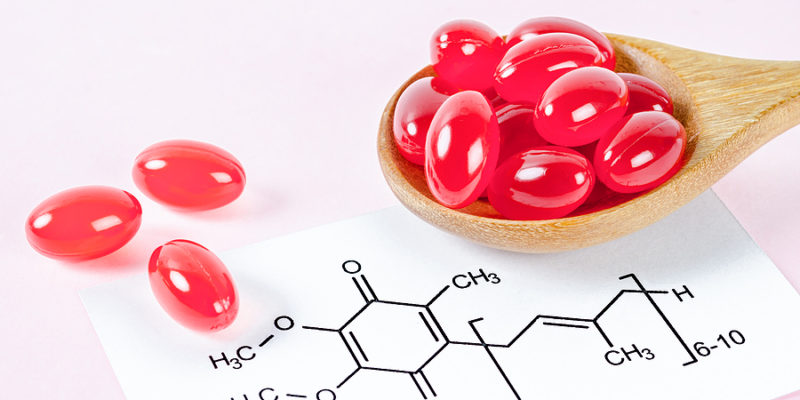
Researchers have been looking at the possibility that a natural supplement with a vitamin-like role in the body (coenzyme) called Coenzyme Q10 might slow the progression of the degenerative neurological disorder Parkinson’s Disease. The energy factories of the cells, mitochondria, need enough Co-Q10 to function at their best, and it appears that people with Parkinson’s are low in supplies of this vital coenzyme.
Initial studies suggest that even doses much higher than many people might take from the health food store (300 mg/day) don’t seem to affect the progression of the Parkinson’s. However, newer data indicate that it might take extremely high doses (1200 mg or even 2400 mg/day) to have a therapeutic effect.
At those doses, Co-Q10 is being used like a drug, and we have to watch for possible adverse effects. It is a natural substance that the body needs, but whenever you have to push the dose of something out of bounds of its usual levels in the body, you have to worry that you will knock something else off balance (see the discussion of this point in my Getting Whole, Getting Well book.
Remember, too, that people who take statin drugs to lower their cholesterol level are at high risk of depleting coenzyme Q10.
While I know the value of using drugs to save lives, I am nonetheless amazed at the mindset we have in health care that we head for a drug or vaccine every time a chronic disease problem arises. In the case of osteoporosis, there needs to be some common sense. If you look at the literature even a little, you will see that women probably reduce their risk of bone fractures (which is really what matters – though many studies focus just on bone density) by taking enough vitamin D (especially D3), vitamin K2 (perhaps especially MK-7 form), and strontium supplements.
Are these perfect? Are they free of risks? No to both questions. But, so far, it appears that the risks from these nutritional supplements are considerably lower than from the typical bone density-focused drugs like the bisphosphonates (common drugs for reducing loss of bone mass). Why are we not hearing more about the vitamins here, especially when it makes sense that the source of a health problem could come from how we live more than from a lack of bisphosphonates in our bodies…
Another clue – do we start hearing that a vitamin we associate with one particular benefit turns up with another benefit (hint: unlike drugs, nutrients like vitamins have multiple “intended” roles in the body). So, lately we hear about vitamin D reducing flu risk and perhaps cardiovascular risk. Vitamin K is now emerging in epidemiological studies as a possible way to lower cardiovascular risk as well ( Nutr Metab Cardiovasc Dis. 2009 Sep;19(7):504-10).